Strategy, design, and build.
Fifteen years turning conversations into impactful products.
“It's now possible for one person, with the right skillset, to own the whole development cycle.”
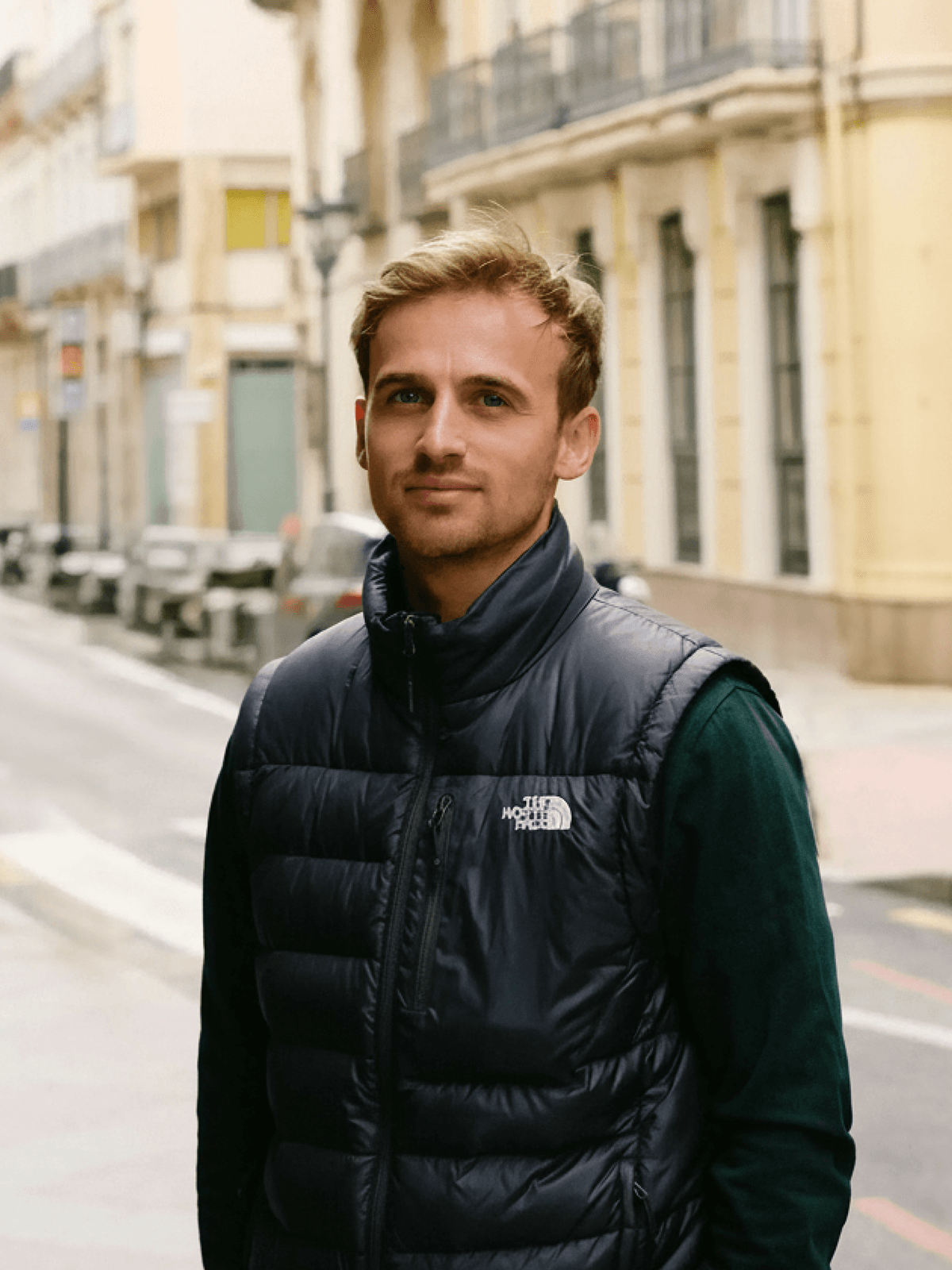
Colin Cooper
A hobby that got out of hand.
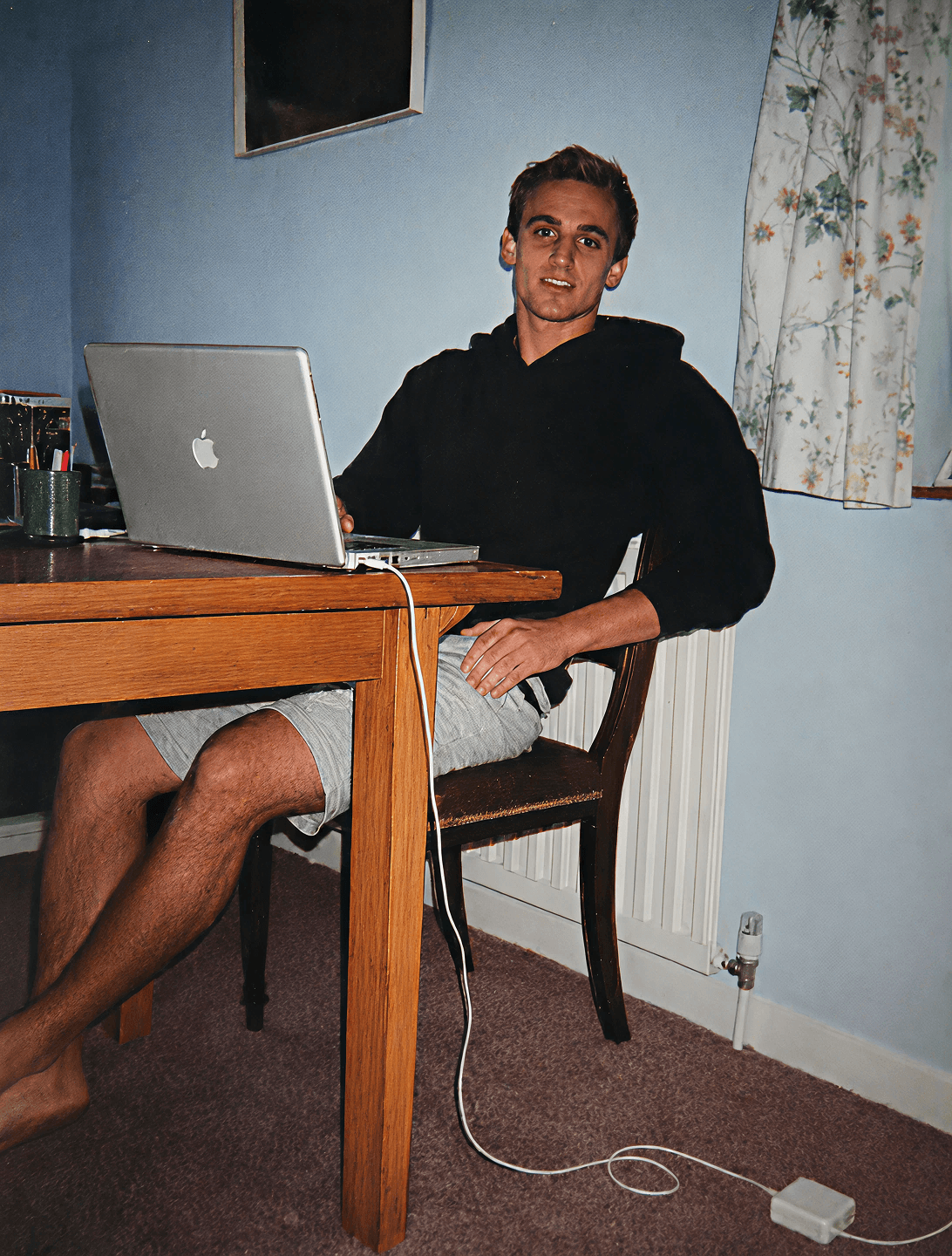
I've been interested in software and how businesses work since a young age. I studied business (BSc), taught myself to code and spent years getting serious about design.
I spent much of my teens building software for local businesses. Then I worked as a business analyst at Eli Lilly. Afterwards, I shifted to the agency world, founded a SaaS company, and led product at a succession of funded startups. Fifteeen years in, I can take a conversation to a working product without handing it off to anyone.
Honestly: this is a hobby that got out of hand. I read, build, and experiment constantly — with or without a client brief. I'd be doing a lot of this anyway.
Fifteen years of building.
A selection of companies and organisations I've worked with across product, design, and build.








One person. The full picture.
The traditional model — brief an account manager, wait for a strategist, hand off to a designer, hand off again to a developer — is where time and money disappear. Every handoff is a chance for vision to blur and time to leak.
Working with me, there are no handoffs. You deal directly with a single senior operator who carries the full context from the first conversation to the last commit. No markups. No middlemen. No junior execution. No wasted time. Just a single, coherent force.
AI has shifted what's possible for a solo operator. What used to require a whole team for months I can often deliver in weeks — without agency overhead or the hidden cost of a full-time hire.
If this sounds like what you need, let's talk.
Empowered from day one.
The models and tools I work with every day. I know exactly how to integrate AI into your workflow, and how to use it to accelerate product, design, and build.








Let's get building.
- A 30-minute chat, no pitch deck.
- Directly with Colin Cooper, no middlemen.
- Honest advice on scope, cost and timing, fit or not.
Select a date
Prefer async? Contact me
If you're curious
The higher you climb, the further you get from the craft. What started as building products gradually became deck production, navigating politics, and sitting in meetings about meetings.
When AI shifted what a single person could realistically ship, I took it as my cue to get back to what I actually love: making things. Going solo means clients get pure execution. No overhead, no handoffs, no diluted vision. Just someone who cares deeply about the outcome, doing the work.
I don't really fit the designer-who-codes or developer-who-designs label. At my core, I'm a business person who happens to have spent a lifetime building genuine fluency in design and technology alongside it.
Those three things have become so blended for me that I can't cleanly separate them anymore, and I'm not sure I'd want to. It means I can hold commercial strategy, user experience, and engineering in my head at the same time and make decisions that don't sacrifice one for the other.
That software only matters when it moves the business. I've seen technically impressive products fail because nobody thought hard enough about the commercial reality, and I've seen simple tools become indispensable because they solved the right problem at the right moment.
The other thing every role reinforced: the handoff is where value dies. Strategy that can't survive contact with design, or design that falls apart in engineering, that's where most projects quietly go wrong. Being able to carry something end-to-end, without translation loss, is the thing I value most about how I work.
For most modern builds: React, Next.js, TypeScript, and Tailwind on the frontend, paired with serverless architectures and custom AI integrations where they add real value. It's a stack that moves fast without accumulating debt.
That said, I follow the problem, not the trend. The goal is always clean, maintainable software that delivers for users. The specific tools are secondary to that.
First off, I am lucky to have Spanish relatives, who taught me a lot about the country.
I made the move in 2019 and haven't looked back. Spain has a way of quietly recalibrating your priorities. I'm far more intentional now about balance, not as a lifestyle aesthetic, but because I am genuinely happier and more productive when I treat them seriously.
There's also something clarifying about being a foreigner in your own daily life. You notice much more: pace, culture, what people actually value.
Asian countries: multiple visits to Japan, South Korea, and China. The contrast with European ways of living, building, and thinking is stark enough that it forces you to question assumptions you didn't know you had.
I find that kind of friction useful. The places that make you slightly uncomfortable in how different they are tend to be the ones that teach you the most.
I disconnect very intentionally. I am one of those crazy people who runs without listening to music. I play golf with my phone in the bag for the entire round. I don't have social media outside of work and I definitely don't install their apps on my phone.
The ability to be present is a real skill, and I try to practice it as much as possible. I genuinely believe that the best work comes from a mind that has been given space to breathe, and I make sure to give myself that space.